How Digital Platforms Will Threaten Your Business
What happens when another company becomes the place where your customers choose?
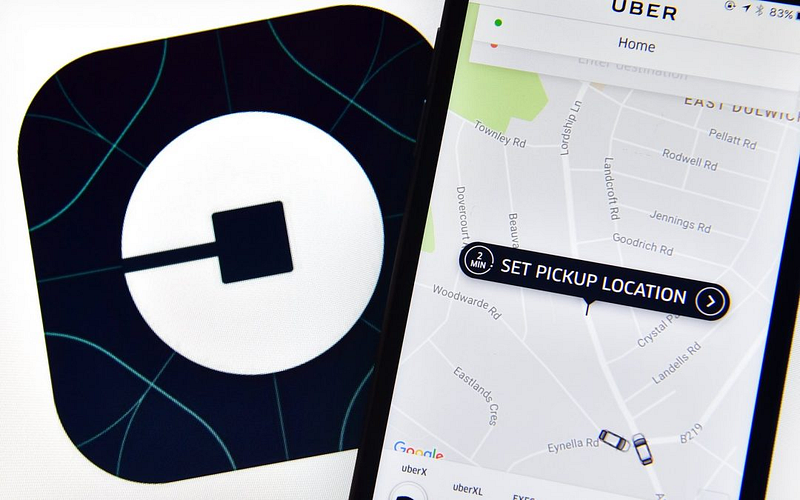
A conventional company makes something and tries to sell it. A digital platform builds the place where other people meet, exchange value and decide what should happen next.
That difference appears small until the platform begins to grow. It may own less of the product, employ fewer of the people performing the service and produce very little of the content moving through the system, yet still control the customer relationship, the flow of information and the terms on which everyone else participates. The threat is not only that a platform may enter your market. It may become the market.
The Market Between Us
Amazon brings buyers and sellers into the same system. Sellers provide products. Buyers provide demand, reviews and a record of what attracts attention. Each group gives the other a reason to remain.
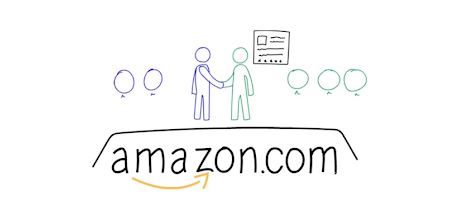
Amazon and its network of buyers and sellers
The important product is not only the item in the box. It is the market forming around the exchange. A larger selection attracts more buyers, more buyers attract more sellers, and more transactions create reviews and behavioural data. The platform can use that information to improve search, recommendations and the ordering of results, which gives the next buyer another reason to begin there.
Facebook follows the same structure with different material. People bring their relationships, photographs and conversations. Advertisers arrive because attention has gathered in one place.
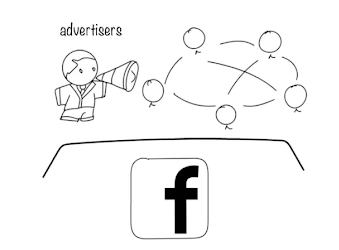
Facebook as a social space for sharing information and hosting business promotion
LinkedIn organises professional identity. Members build profiles, establish networks and make their experience visible, while employers arrive because the potential workforce has already assembled.
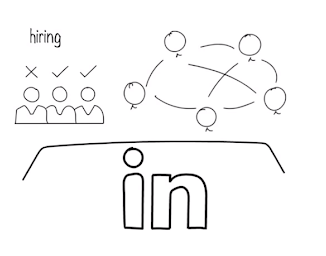
LinkedIn as a network of professional profiles
The platform doesn’t create every relationship, vacancy or career. It creates the environment in which those things become easier to find, and the growing network supplies more of the information needed to organise itself.
The Machine in the Middle
Netflix appears to be a different kind of business because it provides entertainment rather than a marketplace of buyers and sellers. The underlying structure is similar. Subscribers watch films and programmes, those choices create a record of preference, and the platform uses that record to decide what should appear in front of the viewer next.
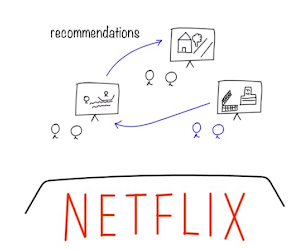
Netflix as a new form of personalised media consumption
The catalogue alone is not enough. A large catalogue can become a room in which nothing can be found, so much of the practical value appears in the matching.
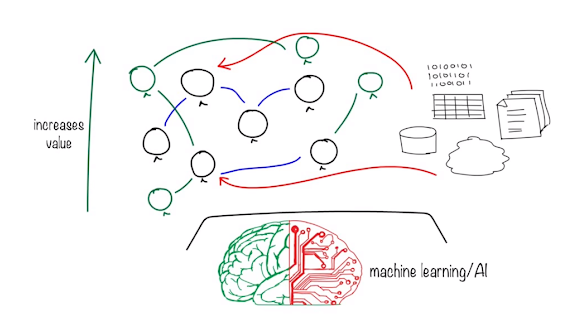
This is where artificial intelligence and machine learning become central to the platform. As the network grows, the number of possible connections grows faster than any person could inspect. The platform needs a way to rank, filter and recommend. The machine in the middle decides which part of the network becomes visible.
Visibility then changes the network. A product placed near the top receives attention. A film repeatedly recommended gains viewers. A professional profile surfaced in search gains opportunity. The platform doesn’t merely observe demand. It helps direct it.
The Empty Crowd
A network isn’t valuable simply because it is large. Monster.com brought employers and jobseekers together, but a growing volume of vacancies, profiles and low-quality material made the useful match harder to find.
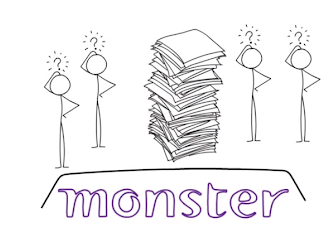
Monster.com as a crowded digital platform
The platform had participants but struggled to turn the crowd into relevance. Accumulation and intelligence are not the same thing. A platform can collect people, products and information while making the experience worse with every addition because noise grows alongside choice.
The successful platform reduces that noise without making the network feel smaller. It learns which connection is likely to matter now and brings it forward. Its advantage lies less in the size of the crowd than in its ability to organise the crowd.
The Tollbooth
Uber brings drivers and riders together, but the ride is only the visible transaction. The platform also contains the map, the payment, the identity of both participants, the rating system and a history of when and where each journey occurred.
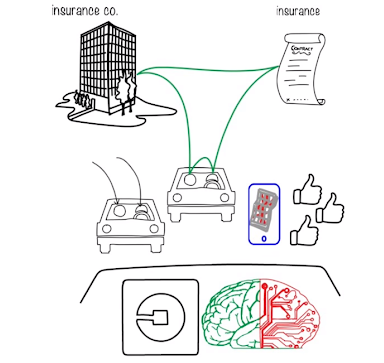
That creates possibilities beyond transport. A conventional insurer may know the driver, the vehicle, the policy and the claims history. Uber can know the journey itself. It can see when the trip begins, where it travels and when it ends.
Insurance could therefore be offered for a particular ride rather than only through a fixed annual policy. Several insurers might compete to cover the same journey, but they would be competing inside the platform and against the data structure the platform controls. The insurer would still provide the insurance. Uber would own the moment in which the customer needed it.
A platform can enter an adjacent industry without becoming a conventional version of the companies already there. It doesn’t need to reproduce the entire business. It places itself between the participant and the transaction, then controls the point at which the two meet.
The platform becomes a tollbooth on a road built partly by everyone using it.
The Borrowed Market
A business threatened by a platform has two broad choices. It can build a platform of its own, or learn how to compete inside an ecosystem controlled by somebody else.
Building a platform means more than launching an application. The system needs a reason for multiple groups to join, a mechanism through which their participation creates value for one another and enough intelligence to stop growth becoming noise. That is difficult to manufacture after the market has already gathered elsewhere.
Competing inside another platform can be rational, but the dependence has to be understood. The platform may own the customer interface, the behavioural data and the ranking system that determines which supplier is seen. A company can increase its sales while losing direct knowledge of the people buying from it.
The product remains yours. The market relationship does not.
The strategic question is therefore not only how to digitise the existing business. It is which part of the exchange the business must continue to own. A digital platform becomes dangerous when it no longer needs to defeat every company in the market. It only needs to become the place where the market chooses between them.
Comments